Bhutan is a landlocked state in South Asia, located at the eastern end of the Himalayas and bordered to the south, east and west by the Republic of India and to the north by the People’s Republic of China. Bhutan is separated from the nearby country of Nepal to the west by the Indian state of Sikkim, and from Bangladesh to the south by the Indian states of Assam and West Bengal.Bhutan existed as a patchwork of minor warring fiefdoms until the early 17th century, when the area was unified by Shabdrung Ngawang Namgyal, who fled religious persecution in Tibet and cultivated a separate Bhutanese identity. In the early 20th century, Bhutan came into contact with the British Empire, after which Bhutan continued strong bilateral relations with India upon its independence. Bhutan’s landscape ranges from subtropical plains in the south to the sub-alpine Himalayan heights in the north, with some peaks exceeding 7,000 metres (23,000 ft). The state religion is Vajrayana Buddhism, and the population of 691,141 is predominantly Buddhist, with Hinduism the second-largest religion. The capital and largest city is Thimphu. This trek is to the beautiful Phobjikha valley (3,000m), one of the few glacial valleys in Bhutan, which lies in the mountains east of Wangduephodrang. After crossing over the pass you soon come to the great monastery of Gangtey, established in the 17th century. The village of Phobjikha lies a few kilometers down from the monastery, on the valley floor. This quiet, remote valley is the chosen winter home of the rare black necked cranes, who migrate here annually from the Tibetan plateau. This moderate trek visits the villages of Gogona and Khotokha, passing through meadows and fields, then forests of juniper, magnolia and rhododendrons in full bloom in April. It is one of the finest low level treks in Bhutan.
Region: Bhutan
Classic Laya Trek
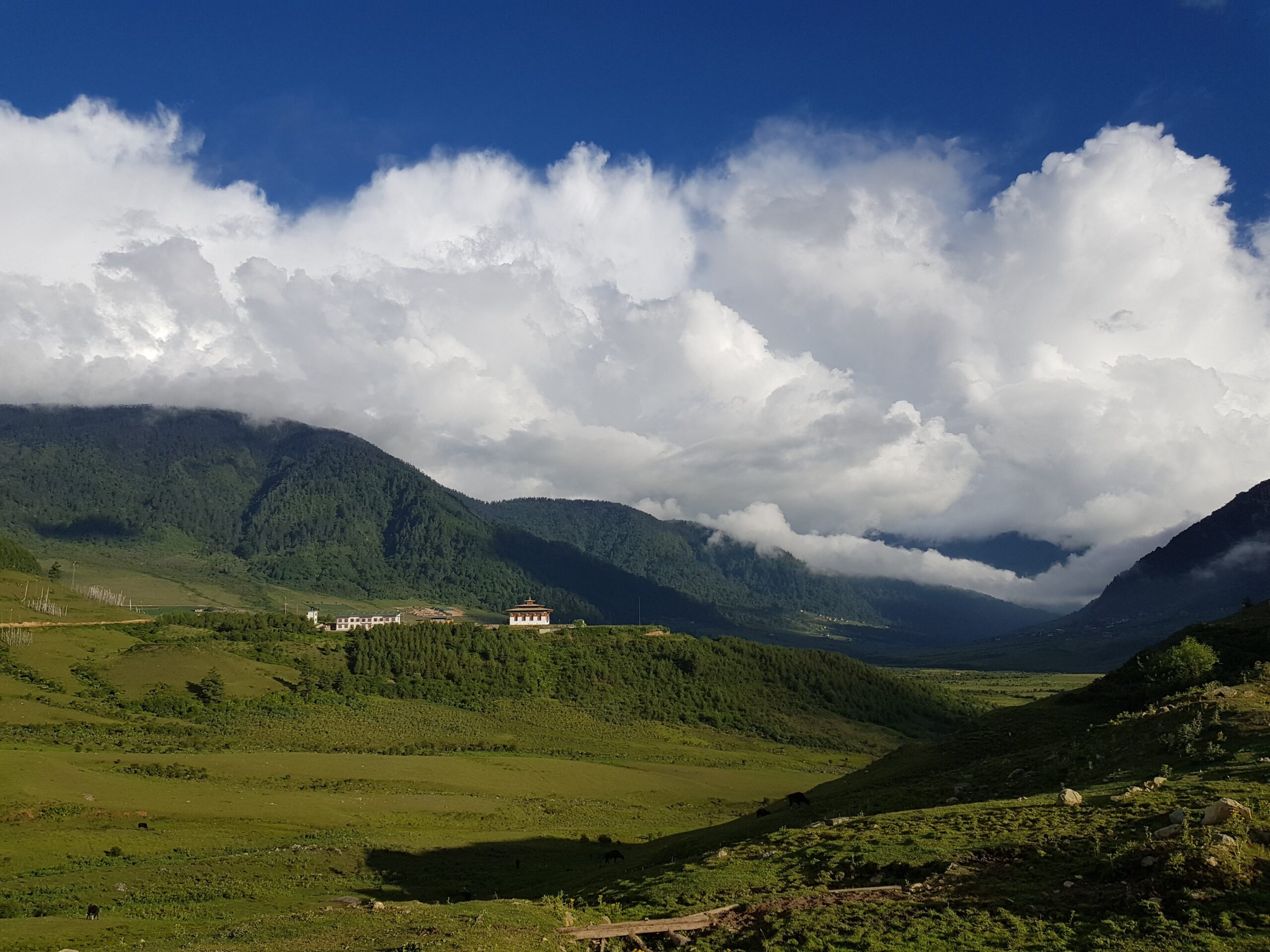
Classic Laya Trek offers you a luxury of experiencing the most amazing trekking adventure along the off the beaten path with plenty of acclimatization. Reckoned synonymous to warmth hospitality and a dotted trekking destination, Laya is a perfect hub to capture a complete picture of Bhutan; you can taste Bhutan’s famous butter tea, yak milk and local brewed wine, watch cultural program and remain mute witness to the authentic Bhutanese culture and custom. En route to Laya the trekking trail weaves past Shana camp, Soi Thangthangkha, Jangothang, Lingshi, Chebisa, Shomuthang, Robluthang and Limithang. You can not help yourself soak in the tranquility and exotism of nature. Further ahead, you trek along Koina, Gasa Hot spring, Goen Damji and Tashithang on a network of well-maintained and rock-strewn trails. Each of these destinations has its own distinct character: unique geographical features, surreal mountain vegetation, quaint hamlets, dzongs, open pastures, indigenous people, art and history are juxtaposed amid the seclusion and simplicity of Bhutan. Hot spring bath at Gasa Tshachu is an additional treat that makes your trek more memorable and undeniably worthwhile.
Classic tour in Bhutan – Experience the Local
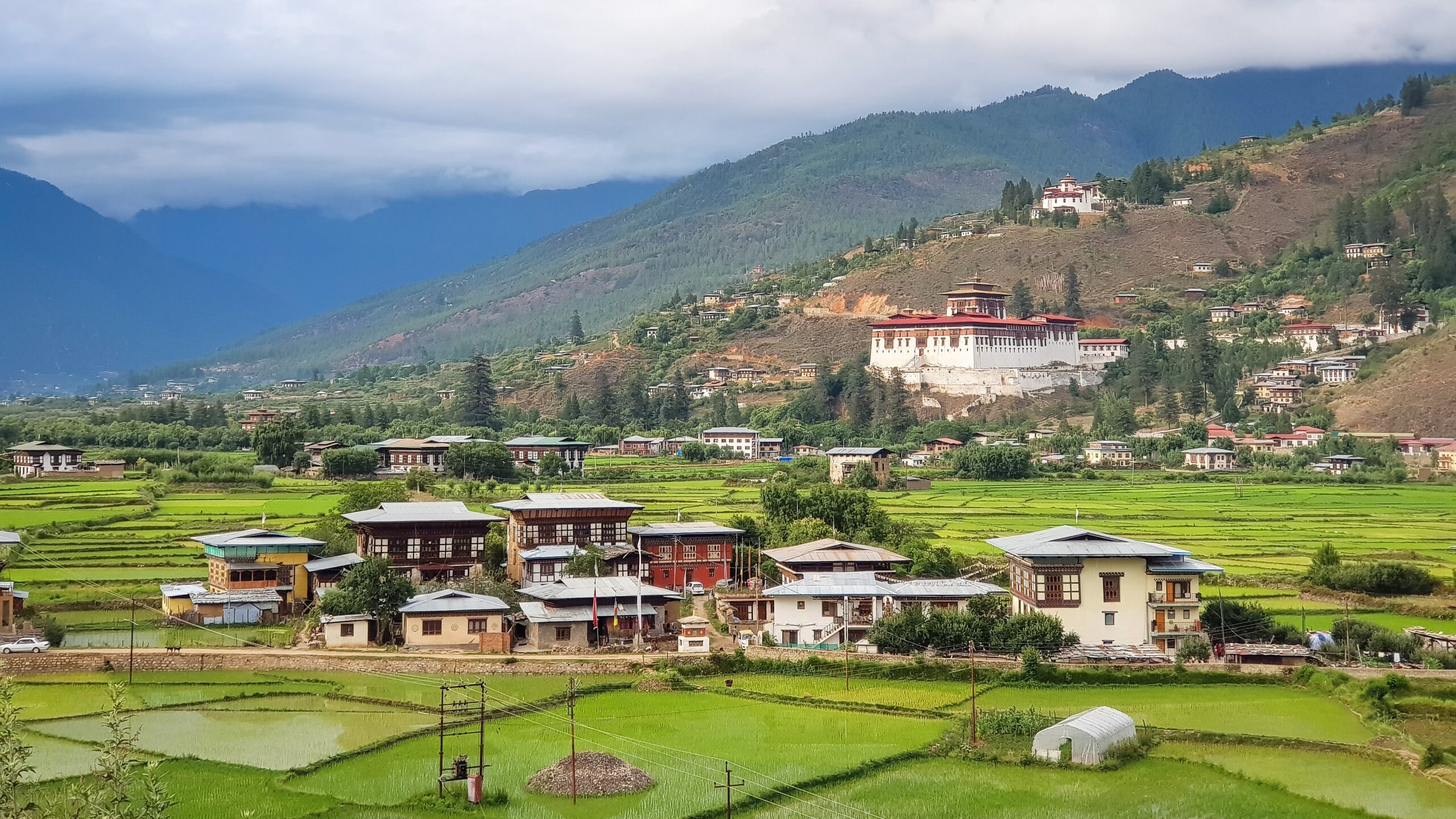
Bhutan is a landlocked state in South Asia, located at the eastern end of the Himalayas and bordered to the south, east and west by the Republic of India and to the north by the People’s Republic of China. Bhutan is separated from the nearby country of Nepal to the west by the Indian state of Sikkim, and from Bangladesh to the south by the Indian states of Assam and West Bengal.Bhutan existed as a patchwork of minor warring fiefdoms until the early 17th century, when the area was unified by Shabdrung Ngawang Namgyal, who fled religious persecution in Tibet and cultivated a separate Bhutanese identity. In the early 20th century, Bhutan came into contact with the British Empire, after which Bhutan continued strong bilateral relations with India upon its independence. Bhutan’s landscape ranges from subtropical plains in the south to the sub-alpine Himalayan heights in the north, with some peaks exceeding 7,000 metres (23,000 ft). The state religion is Vajrayana Buddhism, and the population of 691,141 is predominantly Buddhist, with Hinduism the second-largest religion. The capital and largest city is Thimphu. Although Bhutan is a small country,its diminutive size some what belies the diversity the country is blessed with. Its also what makes Bhutan a very special country.This tour is called the “Bhutan Dragon Trail Tour” as it goes from West Bhutan till East Bhutan and goes through all the important and lovely places in Bhutan.Located in a Geographic hotspot ,the kingdom’s southern parts lie in the tropical plains. Beginning at 100-175 mtrs.above sea level,the altitude keeps climbing as you go higher,at places reaching a whopping 5000 mtrs.(as in the alpine north). The highest habitable parts are places scarcely populated, as in Laya and Lunana regions. The natives are predominantly herdsmen rearing the yak..The inherent Bhutanese diversity extends to the culture too. The majority of the people are Buddhists. Hinduism is practiced mostly in the Southern belt. The East still has pockets where certain Shaman practices still exist. Black magic used to be an eastern specialty though the practice of the dark arts is waning. A village near Khaling, about 55 Kms from Trashigang was actually called the “Black Magic” village.The Central highlands of Bumthang are renowned for its Yatha Weavers. The Westerners(as in Paro,Haa,Thimphu, Punakha,and Wangdue)speak varying dialects of Dzongkha.
MYTH OF CENTRAL BHUTAN
Here rich Himalayan flora and fauna, dazzling white peaks and lush valleys provide Bhutan’s stunning beauty and aesthetic grandeur. Thimpu Lying in a valley (elevation 2350) Thimpu is unlike any other capital in the world. The traditional architecture of its houses and buldings is particularly striking. Bhutan, best known to the world as the last Shangril-la has a rare combination of harmony and accord amidst a landscape of incredible beauty. Protected by mighty Himalayas from the rest of the world and enriched by the essence of Drukpa Kagyu School of Buddhism, Bhutan has managed to remain shrouded deeply in a jealously guarded isolation. A basic understanding of Bhutan’s Buddhism is essential to understanding the Bhutanese.