
Experience the Unexplored
Chepang Hill Trek




Trip Overview
When someone says Chitwan the things that come in mind are rhinos, tiger’s elephant safari and dense forest of Sal tree but beside that Chitwan have some more things to offer for trekkers and hikers. The unexplored Chepang hill trail is a new attraction in Chitwan. This trail as the name signifies has settlement of the Chepang people who are some of the most backward and endangered communities of Nepal. This nine day trip takes you to places of cultural interest and also to places which are naturally scenic. Besides the nature and culture the most interesting things is the home stay experience which is offered during the trek. From sharing the farm work to food is a unique experience. This trek starts from a place called Hugdi and ends at Shaktikhor, one of the places where the Maoist guerrillas were kept during the peace process.
Trip Highlights
Scenic Road Trips
- Kathmandu to Hugdi – Witness Nepal’s changing landscapes from city to hills.
- Shaktikhor to Chitwan – Transition from trekking trails to jungle plains.
- Chitwan to Kathmandu – Relax and reflect on your journey.
This carefully crafted itinerary delivers Nepal’s greatest hits plus hidden local experiences – all in one unforgettable journey!
Detailed Itinerary
Day
01
Arrival at Kathmandu Airport and transfer to the hotel.
A representative of Adventure Mission Nepal will receive you and transfer you to the hotel. In the evening we will arrange your meeting with your trekking guide so that you can have your queries solved if you have any.
overnight
Day
02
Full day sightseeing of Kathmandu valley
Kathmandu valley, often referred as the city of temples has many things to see. It has a cluster of 7 world heritage sites among which 3 are old palace areas, 2 are Buddhist stupas and 2 are Hindu temples. We will arrange for the sightseeing of any four places as per your interest.
Day
03
Drive from Kathmandu to Hugdi
After a warm breakfast we start our drive to Hugdi, which is 80 km away from Kathmandu on the western side. The drive will be approximately 2 hours (depends a lot on the number of traffic moving out of Kathmandu on that day). Hugdi is situated at about 310 meters from Sea leave and we stay in a house managed by the family. In the evening you can stroll around the area and experience the village life. You might get a chance to see the farmers milking their buffalo.
Day
04
Trek to Hatti bang.
Today our home stay destination is Hatti bang situated at an altitude of 1400 meterse. The walk is around 5 hours and as the altitude suggested we will be gradually going up from Hugdi. After couple of hours of walk we stop at a Magar settlement. We continue walking for an hour before lunch and after lunch in another couple of hours we are at Hatti bang which offers a scenic view of the surrounding hills and even Annapurna range is the weather is very clear. In the evening interact with the local host regarding their daily life. Our trekking guide will interpret as many of them don’t speak English at all.
Day
05
Trek to Jyandala.
Today we have a walk of around 5 hours before we reach Jyandala, a village situated at around 1600 meters. This village is famous for the sunset and sunrise view over the western Himalayan range of Nepal, besides the hospitality of the home stay in Nepal. This is a unique place interms of view as you can see some of the highest peaks in the worlds such as Dhaulagiri, Manaslu, Annapurna and the flat lands which are less than 100 meters from sea level. Evening nice meal from the host. You can try your hand in cooking traditional Nepali food.
Day
06
Trek to Upper Dhangadi.
The portion of the trail we cover today is very interesting as we go up and down time and again and the dense forest with more than 300 species of birds makes it more interesting. Besides the large number of birds different species of wild animals are also seen in this area but during day time encounter with the wild animals is very rare. By the end of the day you will have walked almost 6 hours and start feeling tired. Overnight at community home stay.
Day
07
Trek to Shaktikhor.
Today is the last day of your trek. We will walk down to about 300 meters and the walk is about 5 and a half hours. After we reach Shaktikhor we will visit the Chepang Museum, waterfall and caves. You can also visit the camp of the Maoist guerrillas. In the evening we will organize a Chepang cultural program for you.
Day
08
Drive to Chitwan
Drive back to Chitwan from Shaktikhor which is 45 Minutes Drive. Chitwan National Park is a large and beautiful nature reserve occupying 932 sq. km. of land inhabitant of endangered royal Bengal tiger and the one-horned Indian rhino. Chitwan National Park was protected since the 19th century as a hunting reserve for Nepali royals and foreign aristocrats. In a famous hunting expedition, King George V and his son Edward VIII managed to slaughter 39 tigers and 18 rhinos in a single blood-soaked afternoon. Unfortunately, habitat loss and poachers continue to decimate the number of tigers and rhinos. Today, there are less than 80 tigers and 500 rhinos left in the Park. There are more than 50 species of mammals in Chitwan including monkeys, tigers, leopards, sloth bears, wild boar, hyenas, deer, elephants and rhinos. There are also 450 different species of birds and 67 species of butterflies. The main attraction of Chitwan is the Elephant Safari. It is a unique experience to explore the jungle on the back of a trained elephant. While you are not likely to see the Bengal tiger, you should be able to see the Indian rhino and enjoy one of the nicest nature reserves of the Indian sub-continent. Watch out for branches – particularly if you are sitting behind other passengers. Tharu dance A melodious tribal dance performed by men and women with rhyme or drums and the clashing of sticks embodies and projects how to keep away the rhino and other wild animals from the human habitat and their farming land. You can enjoy your evening after dinner and watch the Tharu Stick Dance. We will arrange dance for your enjoyment adjacent to our Restaurant.
Lunch, Dinner and overnight at Lodge.
Day
09
Jungle Activities
After having hearty breakfast at the resort commences the Dugout Canoe ride. Elephant Safari: Seated high on the back of an elephant, gain a unique viewpoint of the Chitwan jungle. As an experienced mahout tracks animals through the dense jungle growth as you sit back on a howdah, you can imagine yourself being a Rajah or Rani going on a shooting trip (with cameras of course!) in the days of yore. An elephant safari allows you to go places that would be impossible to get to by foot or Jeep and get up close to the wild animals of the jungle that are normally wary, but at home with a fellow creature of the jungle Bird watching Chitwan is an ornithologist’s delight and a must for any serious twitchier, as more than 450 species of exotic birds such as the Oriental Pied Hornbill, Paradise Flycatcher, and Lesser Adjutant Stork congregate at this biological hotspot of Asia. Our experienced guides will take you to select spots ideal for birding, where you can observe a breathtaking diversity of these beautiful feathered creatures. Dugout Canoe ride Floating down to Rapti River by dugout canoe is the best way to discover the habitat of crocodiles on the bank of the river. It is also a relaxing and better way to watch the different kind of birds and wildlife species when they come to the bank of the river to drink water. Elephant Breeding Center Was established in 1985 at Royal Chitwan National Park (RCNP) and is the only EBC in Nepal. At the Elephant Breeding Program, 4km west of Sauraha, elephants are breed and trained. The best time to visit is in the afternoon when the elephants are fed. The Elephant Breeding Centre of Sauraha with great tourist attraction is said to be one of the only 3 such centers in the world. Elephant skin is extremely sensitive to sunburn and insect bites; they roll in dust and mud and throw dust on their backs to help protect their skin. This was one of such moments when this restless young Elephant tried to get rid of insect. Tharu village visit Tharu are indigenous people of the Terai. They have a distinct architectural style, building solely of the natural materials found in the area; straw, wood and mud. Even though by now almost all Tharus are Hindus some elements of their tribal religion can still be found. The villages are often peaceful, non-industrial havens, with the inhabitants engaged in a yearly agricultural circle. Drive back to lodge.
Drive back to lodge. Lunch, Dinner and overnight at Lodge.
Day
10
Jungle Activities
After Breakfast, Bird watching at Rapti River side Jungle. You will encounter different species of birds. After lunch Jeep Safari to 20,000 Lake
Day
11
Drive to Kathmandu
Drive to Kathmandu after Breakfast.
Day
12
Free Day
On this day you can walk around in Thamel and start your last day shopping.
Day
13
Departure.
After breakfast at the hotel transfer to airport fly to onward destination. We ensure that you will leave your hotel with cherishing memory and an experience of a lifetime. Our representative from Explorer Nepal will drive you to the airport in time for your flight back home.
What's Included
- Treking Permit/Trekking Map
- National Park/Conservation Fee
- Full Board Plan (breakfast, lunch, dinner, accommodation, tea or coffee) during trek,
- Hotel in Kathmandu as your requirements,.
- Transpotation by bus, car or by flight as per itinerary
- Medical kit box
- TIMS (Trekkers’ Information Management Systems)
- Trekking Equipments
What's Excluded
- International Airfare and departure taxes
- Nepal Visa fees (US$ 40 for 30 days)
- Airport Departure taxes/Excess baggage charges.
- All meals in city
- Travel Insurance
Additional Information
It is one of the moderate types trekking, because you are going above the 4156 meters at high. That’s why before you decide to do this trek you have to do some training. You will be walking 5 to 8 hrs a day; you need to have very good shoes. As you are going every day 500 to 1000 meters of altitude, you have to drinks lots of Water. During your trek you might get altitude sickness. Please read the symptoms of altitude sickness. If you have symptoms of ATS please tell our guide, so that he can take care of you.
List of things you need to bring: Dawn Jacket-1, Wind Proof-1, Gore-Tex-1, T-Shirt-4/6, Socks-4/6, Hat-1, Woolen Hat-1, Gloves-1pair, Trekking Boot-1Pair, Hiking shoe or Plipflop-1Pair, Raincoat-1, Water Bottle(1/2ltrs), Sunglass-1, Sun lotion, Towel, Thormel Trouser-2 pairs, Pool over-1, Sleeping Bag-1.
Best Months to do this trek: Middle of September – November, Feb- April.
Rhododendron: Middle of March – April.
Google Reviews
I did the 14-day EBC trek with Ace and my experience was nothing short of incredible. This was my first high altitude trek and as a female solo traveller competing this trek in the...
Ace The Himalaya was an excellent choice for our Everest Base Camp trek. From the initial planning stages to the completion of the trek, the coordination was seamless and extremely well organized. Everything was...
We just completed the Everest Base Camp trek with Ace the Himalaya and had an absolutely incredible and unforgettable experience!!! Our lead guide, Nimesh, was outstanding. His English was excellent, which made everything so...
You May Also Like
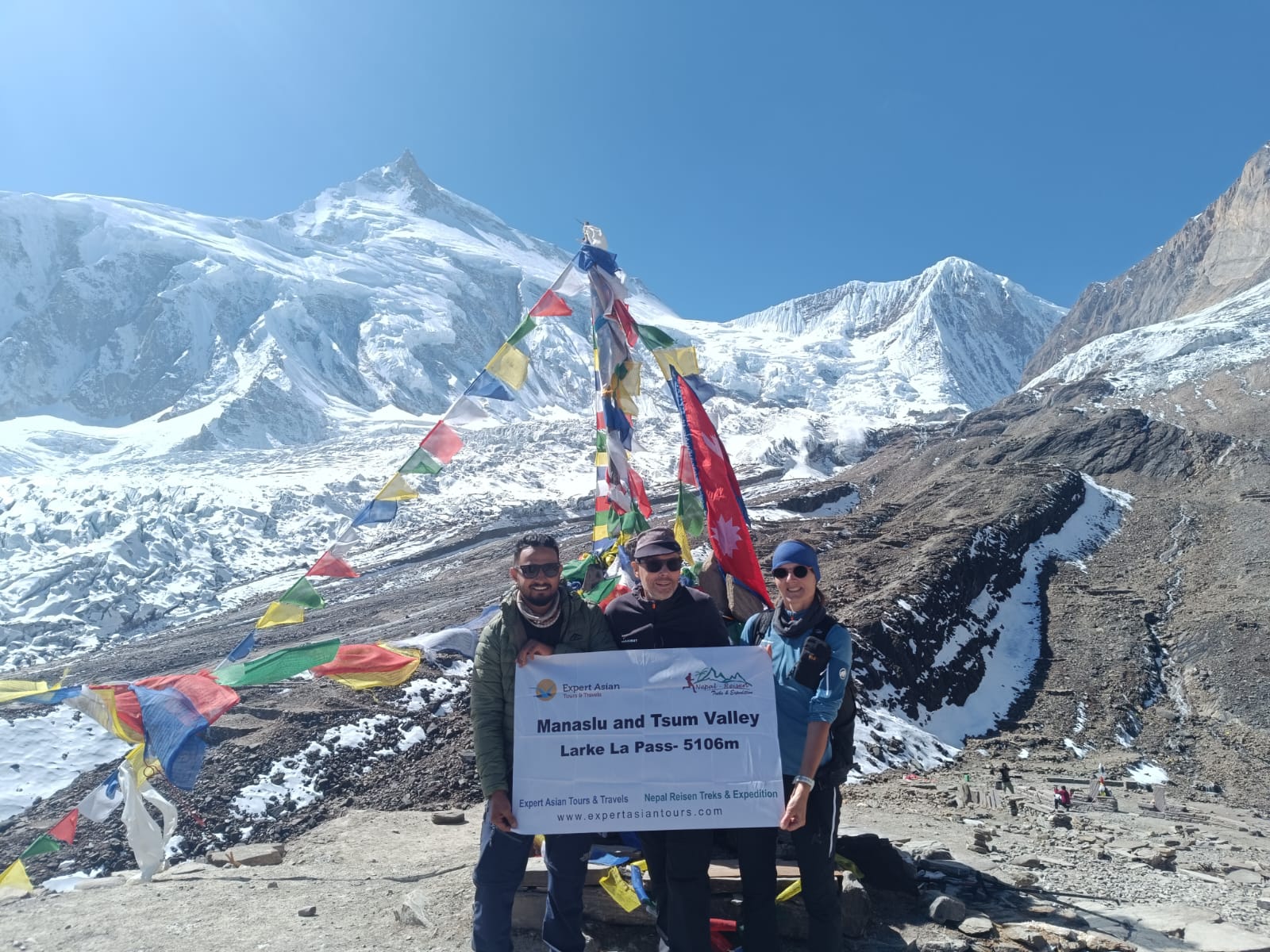
“Shangri-La Manaslu” refers to the idea of Manaslu being a hidden paradise, much like the mythical Shangri-La, a fictional utopia described in James Hilton’s novel Lost Horizon. Manaslu, the...
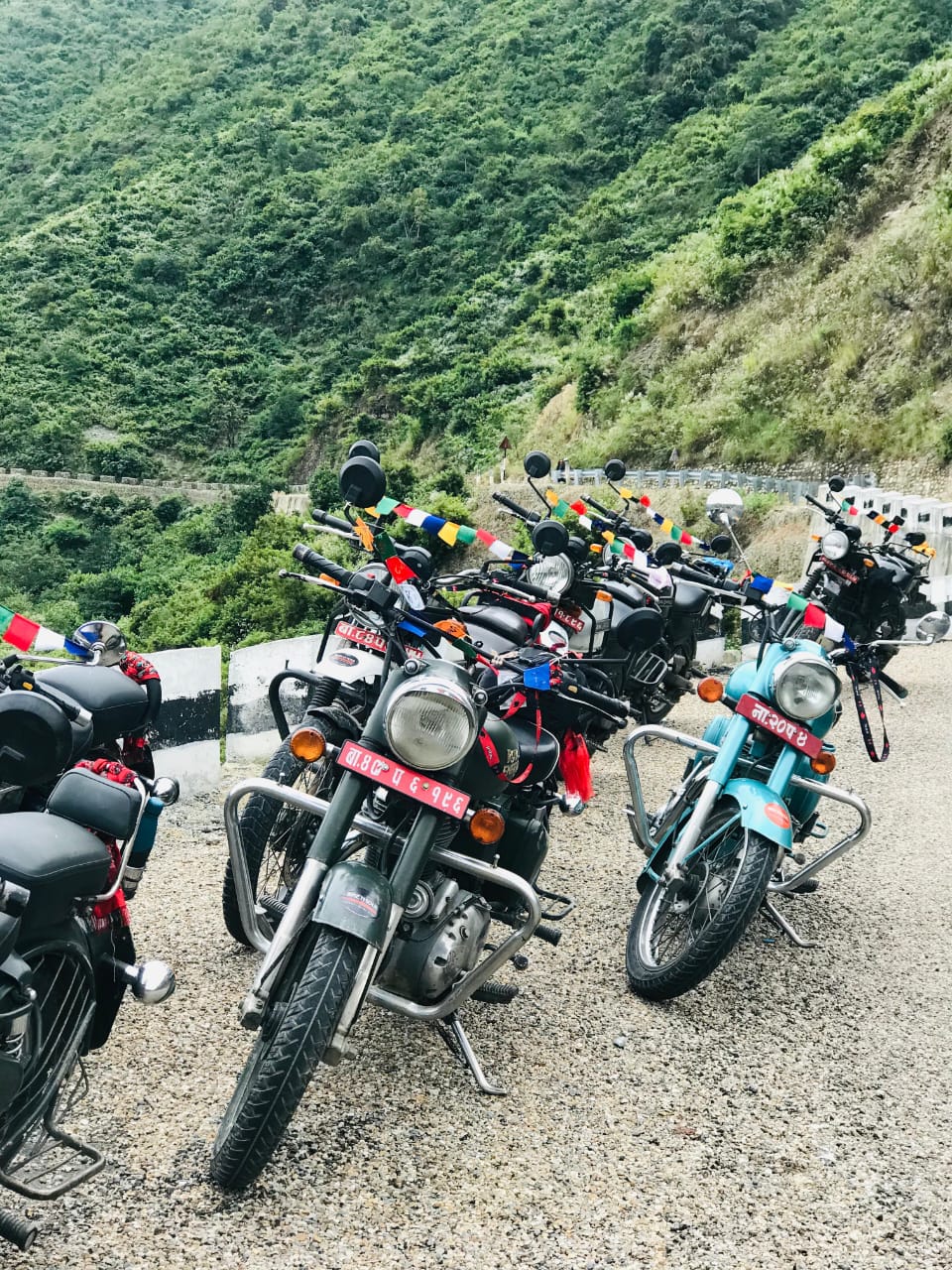
✔ Road Types: Mix of smooth highways, broken trails, and off-road sections ✔ Altitude Sickness: Risk above 3,000m (Mustang/Everest routes) ✔ Weather: Unpredictable – cold mornings, rain in monsoon...
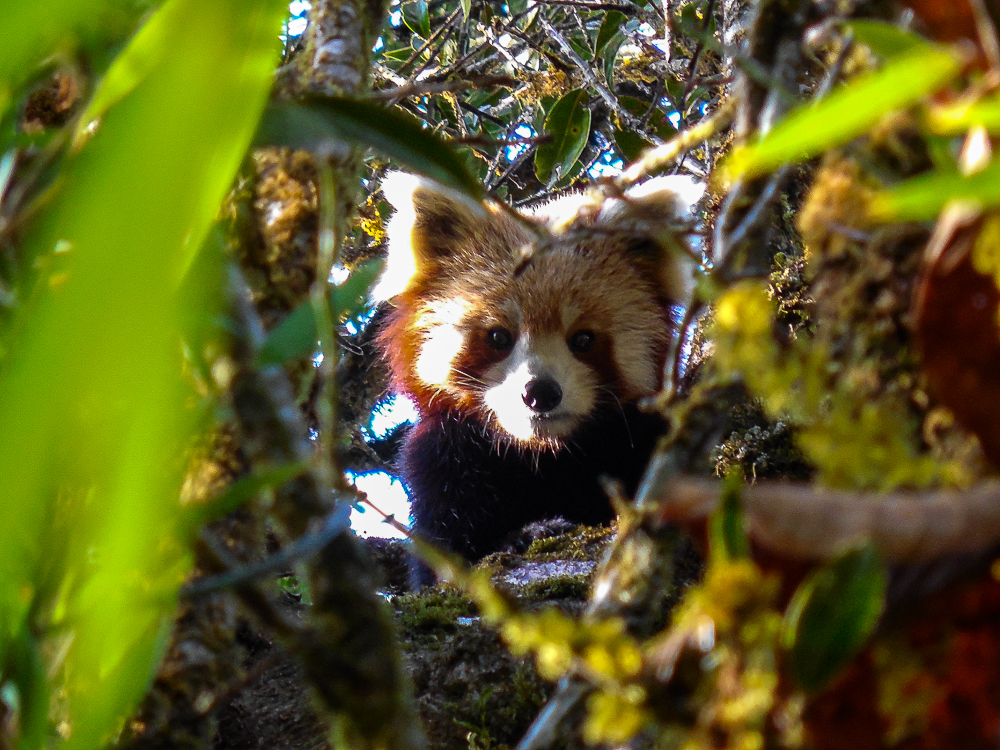
Sandakpur, located in the eastern region of Nepal within the Ilam district, is a paradise for nature lovers and wildlife enthusiasts. Nestled in the Singalila Ridge at an altitude...
Ready to begin your journey?
Speak with an Asian Travel Expert today. We'll help you design a bespoke itinerary tailored to your pace, passion, and purpose.